
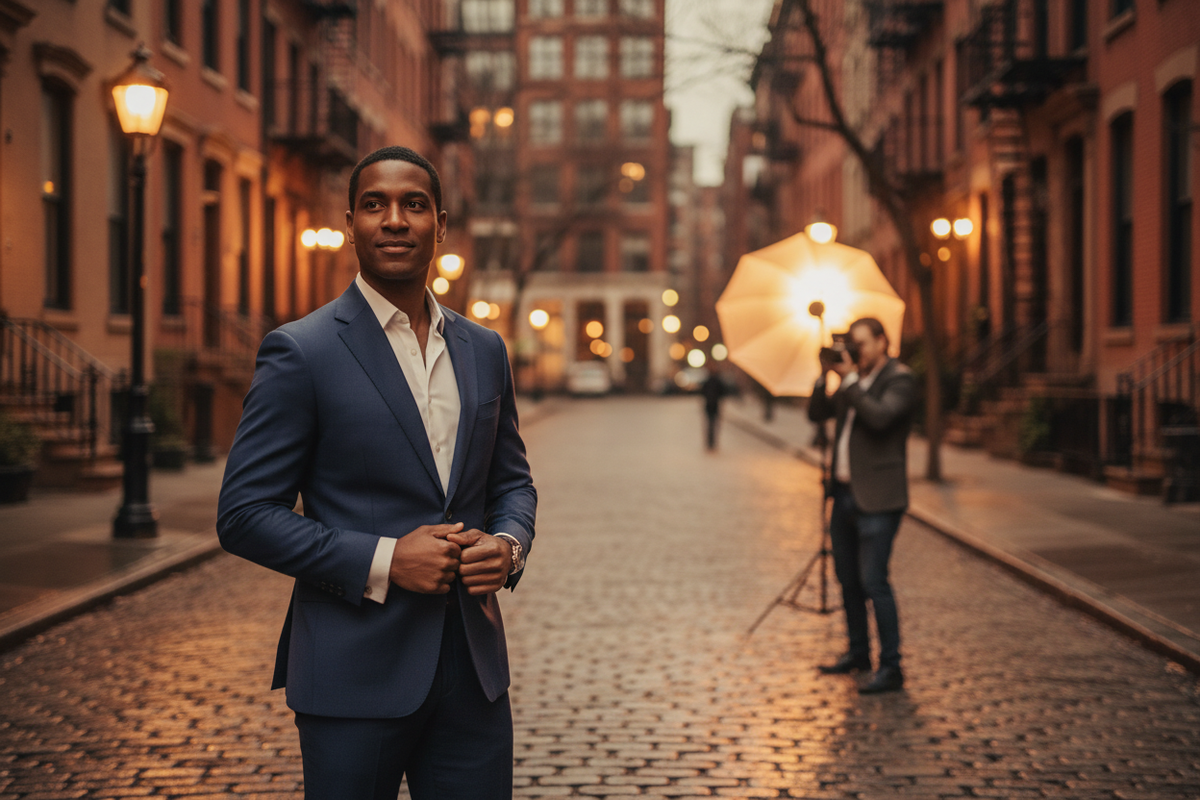
Portrait photography is the art of capturing a person's likeness, personality, and mood, usually with the face and expression as the main focus. It ranges from tightly controlled studio headshots to unplanned candid shots taken in the middle of real life. The right type depends less on personal taste and more on what the photo needs to do, whether that is landing a job interview, filling a wedding album, or building a brand.
What Is Portrait Photography?
At its core, portrait photography is about revealing something true about a person rather than just recording what they look like. A snapshot proves someone was there. A portrait tries to say something about who they are. That difference shows up in every choice a photographer makes, from where the subject stands to how the light falls across their face.
Most portraits share a few basic building blocks: a clear focus on the subject (usually the eyes), deliberate lighting, and a composition that removes anything competing for attention. Beyond that, the genre splits into dozens of directions, each suited to a different purpose, budget, and personality.
Main Types of Portrait Photography
Traditional Portraits Traditional portraits are built around control. The subject looks at the camera, the lighting is even and flattering, and the background stays simple so nothing distracts from the face. This is the style behind classic school photos, formal family portraits, and passport style images. It photographs well because it is predictable, not because it takes risks. Best for: formal occasions, family archives, official documents, and clients who want a timeless rather than trendy result.
Environmental Portraits An environmental portrait places the subject inside a setting that says something about who they are, a chef in their kitchen, a carpenter at their workbench, a founder in their office. The surroundings are not just background. They carry part of the story, so location scouting and composition matter as much as the person's expression. Best for: editorial features, small business marketing, artists, and professionals who want their work shown alongside them.
Candid Portraits Candid portraits are taken without posing, often without the subject fully aware of the exact moment the shutter fired. The goal is to catch a real reaction, a laugh, a glance, a moment of focus, rather than a performed expression. Because nothing is staged, candid photography rewards patience and quick reflexes more than lighting setups. Best for: weddings, events, documentary projects, and families who want an honest record rather than a posed one.
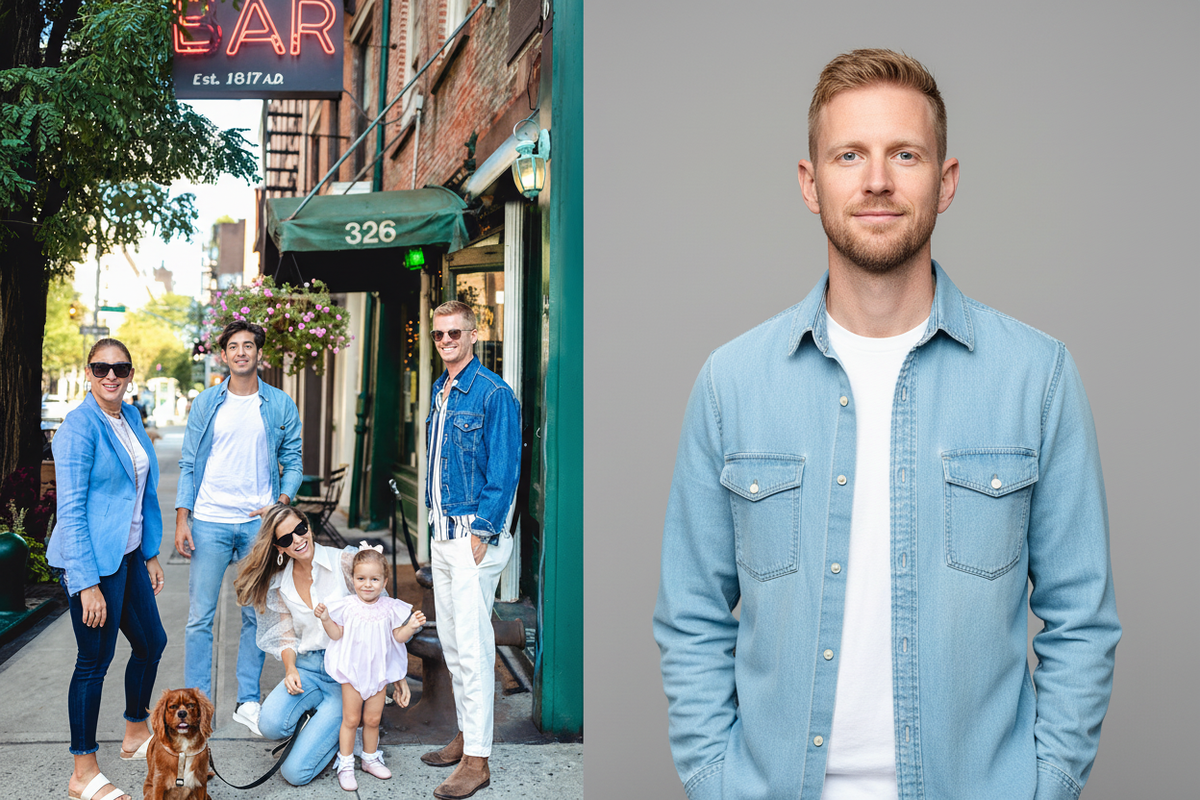
Lifestyle Portraits Lifestyle portraits sit between candid and posed. The photographer guides the scene, a family walking in a park, a couple cooking dinner, but leaves enough room for genuine movement and emotion to happen naturally. It is a popular choice for brands because it looks aspirational without looking staged. Best for: family sessions, couples, personal branding, and social media content that needs to feel authentic.
Headshots and Personal Branding Portraits A headshot narrows the frame to the face and upper shoulders, usually with clean lighting and a neutral or softly blurred background. The point is clarity and professionalism rather than storytelling. Personal branding portraits extend this idea further, pairing a polished hero headshot with a few supporting images that show the subject at work. Best for: LinkedIn, company websites, press kits, and acting or business portfolios.
Glamour Portraits Glamour portraiture focuses on flattering, often stylized beauty, with attention to hair, makeup, wardrobe, and soft directional lighting. It leans decorative rather than documentary, and the final image is usually more about mood and polish than candid truth. Best for: fashion adjacent projects, beauty brand content, and personal celebration shoots.
Conceptual and Fine Art Portraits Here the photographer treats the portrait as a piece of visual storytelling rather than a straightforward likeness. Props, unusual lighting, surreal settings, or heavy post production can all come into play, and the meaning of the image is often left open to interpretation. Best for: gallery work, personal projects, magazine features, and photographers building a distinct visual voice.
Self Portraits Self portraits flip the usual dynamic, since the photographer is also the subject. They demand extra planning around focus, framing, and timing, often using a tripod, remote trigger, or mirror. Many photographers treat self portraiture as a way to practice new lighting or concepts without needing a client. Best for: personal projects, artist statements, and practicing new techniques.
Group and Family Portraits Group portraits add a layer of difficulty that single subject portraits do not have, since every person's expression, pose, and eye line has to work at the same moment. Careful arrangement and clear direction matter more here than in almost any other type of portrait. Best for: family sessions, team photos, and event documentation.
Editorial and Fashion Portraits Editorial portraits are built for publication, often paired with a story or feature, and tend to favor a strong concept over a purely flattering likeness. Fashion portraits push this further, with the clothing or styling sometimes taking equal billing with the subject's face. Best for: magazines, campaigns, and photographers building a portfolio aimed at fashion or media clients.
Portrait Styles and Lighting Approaches
Type describes what the portrait is for. Style describes how it looks, and that mostly comes down to lighting.
High key lighting floods the scene with soft, even light and few shadows, producing a bright, airy feel common in corporate headshots and beauty photography.
Low key lighting leans the opposite direction, using deep shadows and a single dominant light source to create a moody, dramatic result often seen in fine art and editorial work.
Rembrandt lighting places the light at an angle that creates a small triangle of light on the shadowed side of the face. It is one of the most recognizable classic lighting patterns because it adds depth without extra equipment.
Butterfly lighting sits the light directly above and in front of the subject, casting a small shadow under the nose shaped like a butterfly. It is flattering for most face shapes and shows up constantly in beauty and glamour portraits.
Natural light portraits skip artificial lighting entirely, relying on window light, open shade, or golden hour sun. This style tends to feel softer and more organic, which is part of why it is so common in lifestyle and candid work.
Black and white portraiture removes color from the equation entirely, pushing attention toward expression, texture, and contrast. It works particularly well for portraits that lean dramatic or timeless rather than bright and current.
How to Choose the Right Type for the Job
Most people do not need to memorize every category above. They need to answer one practical question: what is this photo actually for?
A photo headed for a company website or hiring profile calls for a clean headshot with simple lighting and a neutral background, since the goal is clarity and trust rather than mood. A wedding calls for a mix of candid and lifestyle shots that capture real moments as they happen, supplemented with a handful of traditional formal portraits for the family archive. A personal brand built around creative work benefits from environmental portraits that show the person in their actual setting, since context builds credibility faster than a plain studio backdrop ever could.
The more useful portrait photographers rarely lock themselves into one style. A personal branding client, for example, often needs a polished headshot, a few relaxed lifestyle images, and some environmental shots of their workspace, all from the same session.
About Davidupuy
David DuPuy is a New York City–based photographer and videographer with 20 years of experience creating professional photography and visual content. His work spans professional headshots, corporate and environmental portraiture, family photography, editorial and event photography, product photography, and commercial imagery.
Through David DuPuy Studios, David works with individuals, businesses, brands, and organizations both in New York City and worldwide. His client experience includes Edelman, Douglas Elliman, Sotheby’s, Citibank, Mount Sinai, and 60 Minutes, among others.
David’s approach to photography is centered on creating images that feel authentic to the person, brand, or subject being photographed. His experience working both in studio and on location allows him to adapt the lighting, setting, direction, and overall approach to each project rather than relying on a one-size-fits-all formula.
In his photography work and writing, David draws on two decades of hands-on experience to share practical insights about portrait photography, professional headshots, commercial photography, and visual storytelling.
FAQs
What is the main difference between a portrait and a regular photo of a person?
A portrait is deliberate. Lighting, composition, and expression are chosen to reveal something about the subject, while a regular photo simply documents that someone was present in a moment.
Which portrait style is best for a professional headshot?
Traditional or headshot style portraiture with even, high key lighting and a simple background is the standard choice, since the goal is a clear, approachable, and professional likeness rather than mood or storytelling.
Do I need a studio to take good portraits?
No. Many of the most natural looking portraits use only window light or open shade outdoors. A studio gives more control over lighting, which matters for certain styles like low key or glamour portraits, but it is not required for strong results.
What equipment does a beginner need to start with portrait photography?
A camera with manual exposure control, a lens in the 50mm to 85mm range for flattering perspective, and access to good natural light are enough to start. Studio lights, reflectors, and backdrops can be added later as specific styles demand them.
How many types of portrait photography should a photographer learn?
There is no fixed number, but photographers who can comfortably deliver traditional, environmental, lifestyle, and candid work tend to serve the widest range of clients, since most real world projects call for a mix rather than a single pure style.
What is the most commonly used lighting pattern in portrait photography?
Rembrandt and butterfly lighting are two of the most widely used patterns because both are flattering across a range of face shapes and relatively simple to set up with a single main light.

Leave a comment
This site is protected by hCaptcha and the hCaptcha Privacy Policy and Terms of Service apply.