
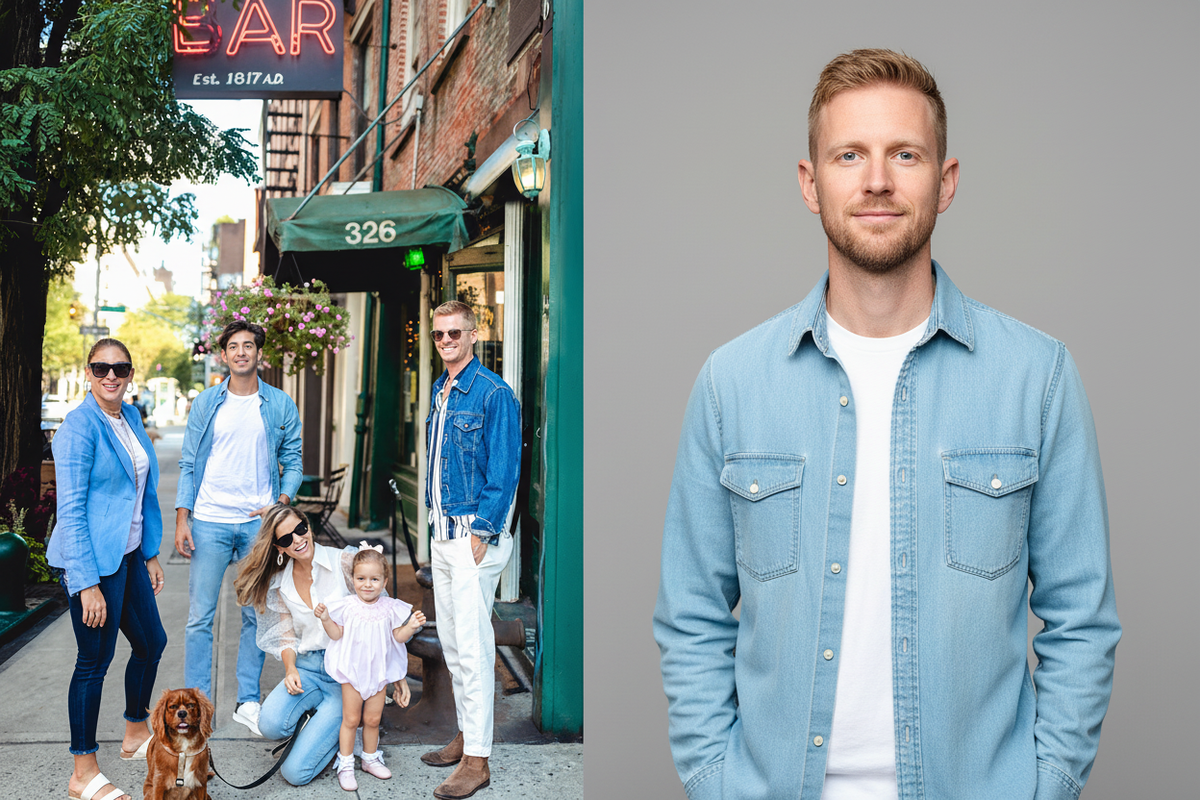
A headshot is a tightly framed photo of the face and shoulders built for a specific practical purpose, a LinkedIn profile, a company directory, an actor's casting file. A portrait is a broader, more expressive photo that can show the full body, a setting, and a mood, built to say something about who a person is rather than just prove what they look like. The two overlap, but they are not interchangeable, and using the wrong one in the wrong place has a measurable cost.
The Core Difference in One Line
A headshot answers the question "who is this person and can I trust them at a glance." A portrait answers the question "what is this person like." One is functional. The other is expressive. Everything else, framing, lighting, setting, editing, flows from that single difference in purpose.
Headshot vs Portrait: Side by Side
| Element | Headshot | Portrait |
|---|---|---|
| Framing | Face and shoulders, sometimes upper chest | Waist up, three quarter, or full body |
| Purpose | Identification, professional trust, recognition | Storytelling, personality, artistic expression |
| Setting | Studio or simple backdrop, occasionally clean outdoor light | Studio, outdoors, home, or any location that fits the story |
| Editing | Light, natural retouching that still looks like the person | Ranges from light retouching to heavy stylized post production |
| Typical use | LinkedIn, company websites, ID cards, casting profiles | Personal branding, editorial features, family archives, art |
| Session length | Often 15 to 45 minutes | Often 45 minutes to two hours or more |
Why the Distinction Actually Matters
It is tempting to treat this as a semantic argument, but the data suggests the format a person chooses has real consequences, especially online. LinkedIn's own published figures show that profiles with a photo receive up to 21 times more views and up to 36 times more messages than profiles without one. Separate research analyzing recruiter behavior found that 71 percent of recruiters admit to rejecting qualified candidates because of an unprofessional photo, not a missing one. Princeton based research on first impressions has found that people begin judging traits like trustworthiness from a face in roughly 100 milliseconds, long before anyone reads a headline or a bio.
None of that research is about portraits in general. It is specifically about headshots, tightly cropped, face forward, high trust images built for split second judgment. A moody environmental portrait might be a beautiful piece of art and still perform badly in that exact context, because it is answering a different question than the one a recruiter or client is asking in the first three seconds.
Corporate Headshots vs Acting Headshots
Even within "headshots," the purpose keeps splitting the format further. A corporate headshot is built for consistency and approachability. The subject looks directly at the camera, wears typical business attire, and the lighting stays even and unremarkable on purpose, because the goal is to represent a real employee accurately across a directory of dozens or hundreds of people.
An acting or casting headshot works almost opposite to that goal. Talent agents and casting directors want to see a fairly neutral, blank canvas version of the person so they can imagine them as different characters, which is why acting headshots often show the eyes looking slightly away from the lens and favor casual, minimal styling over business wear. A corporate headshot tries to look consistent. An acting headshot tries to look flexible.
Technical Specs for Common Headshot Uses
| Use case | Typical crop | Recommended size | Notes |
|---|---|---|---|
| LinkedIn profile | Face fills roughly 60 percent of frame, mid chest up | 1200 x 1200 px, under 8 MB | Square crop, solid or softly blurred background |
| Corporate website or ID | Head and shoulders | Varies by brand guide, often 800 x 800 px minimum | Consistent background and lighting across the whole team |
| Actor comp card | Head and shoulders, neutral expression | Print ready, usually 300 dpi | Multiple looks often required on one card |
| Passport or official ID | Full face, neutral expression, no smile in most countries | Set by government agency, commonly 2x2 inches | Strict rules on background, expression, and head size |
Where Portraits Pull Ahead
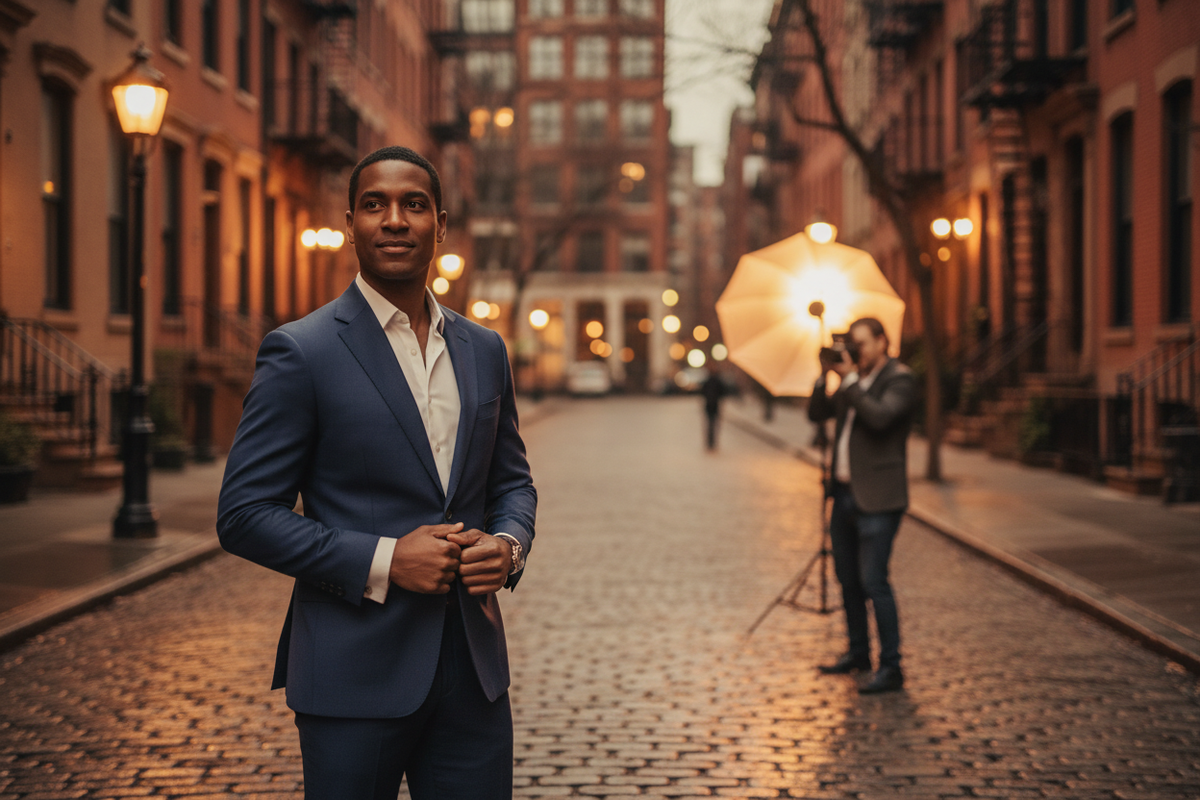
None of this means headshots are simply the "better" or more serious choice. Portraits do things headshots are not built to do. They show scale, movement, environment, and relationship, which is why a portrait, not a headshot, is the right call for a family archive, a personal branding photo shoot that includes someone's workspace, or an editorial feature that needs to say something about a person's life rather than just their face. A founder profiled in a business magazine benefits from a portrait that shows their office or workshop. The same founder updating a LinkedIn photo needs a headshot, not a portrait, because the platform, the crop, and the split second judgment window all call for a different tool.
The AI Headshot Question
One shift neither format existed with a few years ago is the rise of AI generated headshots, built from a handful of selfies rather than a photo session. Pricing data from 2026 shows AI headshot tools starting around 24 to 99 dollars and delivering dozens of images in minutes, compared with traditional studio sessions that commonly run 150 to 500 dollars or more for a handful of edited images. Some blind recruiter studies have even found AI headshots preferred over real photos in a notable share of comparisons, largely because the lighting and framing are consistently optimized for the platform.
AI generated images are, by definition, headshots rather than portraits. They are built entirely around the narrow, functional job a headshot does, a clean face forward image for a profile or directory, and they cannot replace a portrait's ability to capture a real setting, a genuine unscripted expression, or a specific moment in time. For a LinkedIn refresh on a tight budget, an AI headshot is a reasonable option. For a family portrait, an editorial feature, or anything meant to document a real place and moment, it is not a substitute.
What This Costs and How Long It Takes
Pricing data from 2025 and 2026 puts the average professional headshot session in the United States at roughly 150 to 500 dollars for a standard package, with premium studio sessions running 800 dollars or more. Portrait sessions, particularly family and lifestyle portraits, tend to run in a similar 150 to 400 dollar range per hour, but often book longer sessions of one to two hours to allow for movement, multiple settings, or a larger group. The gap in price is less about which format costs more and more about how much time and how many final images each one typically includes.
How to Decide Which One You Need
Start with where the photo will live and what it needs to do in the first few seconds someone sees it. A profile photo, a company directory image, or anything a stranger will judge instantly calls for a headshot. A magazine feature, a personal project, a family keepsake, or anything meant to tell a fuller story calls for a portrait. Many professionals end up needing both from the same session, a clean headshot for platforms that demand instant trust, and a few portrait style images for anywhere a fuller story is welcome.
About Davidupuy
Davidupuy is a portrait and headshot photographer with 20 years of experience delivering both corporate headshot sessions and personal branding portraits.
FAQs
Is a headshot a type of portrait?
Technically yes, a headshot is a narrow, functional category within the broader portrait genre, but in professional use the two terms describe different jobs. A headshot is built for identification and instant trust. A portrait is built for storytelling and expression.
Can one photo session produce both headshots and portraits?
Yes, and many professionals request exactly that. A typical combined session starts with a tightly framed headshot against a clean background, then moves into a few looser, more expressive portrait style shots in the same location.
Do headshots need to be taken in a studio?
No. Clean, even natural light from an open window or shaded outdoor area can produce a strong headshot without a studio, as long as the background stays simple and the lighting stays consistent on the face.
Why do LinkedIn photos matter so much compared to other portraits?
LinkedIn's own data shows profiles with a photo receive dramatically more views and messages, and recruiters form trust judgments about a face in roughly a tenth of a second. That combination makes the crop, lighting, and expression of a LinkedIn headshot far more consequential than a typical personal portrait.
Are AI generated headshots a real substitute for a professional photo session?
For narrow, functional uses like a LinkedIn refresh, AI headshots can be a reasonable, low cost option, since some recruiter studies have shown them scoring as well as or better than traditional photos in blind tests. They are not a substitute for a real portrait session, since they cannot capture an actual location, genuine interaction, or an unscripted moment.
What is the difference between a corporate headshot and an acting headshot?
A corporate headshot favors direct eye contact, business attire, and even lighting to build consistency across a team directory. An acting headshot often favors a more neutral, casual look with the eyes sometimes off camera, since casting directors want to imagine the actor as different characters rather than see a single polished persona.

Leave a comment
This site is protected by hCaptcha and the hCaptcha Privacy Policy and Terms of Service apply.