
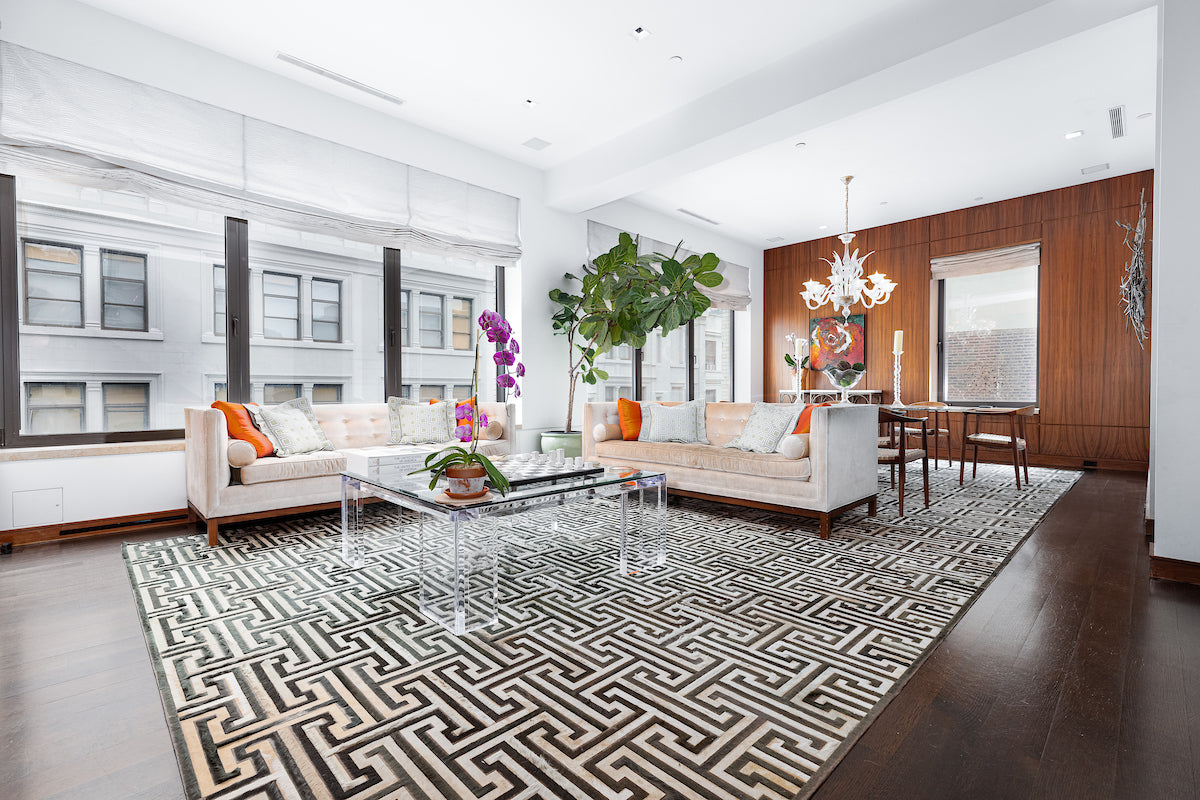
Agents ask me this constantly, usually while trying to decide where to spend a marketing budget on a new listing. Photography and videography are not competing products. They solve different problems at different stages of a buyer's decision, and the data on how each one performs backs that up more clearly than most agents expect.
Book
What photography is actually doing for a listing
Photos are still the first thing a buyer sees, and on most platforms they are the only thing a buyer sees before deciding whether to click into a listing at all. A strong photo set does the job of a headline, it has to stop someone scrolling in under a second. That is a narrower job than it sounds like, and it is why a single well composed exterior shot still tends to outperform video for pure click through rate in paid advertising. One advertising test running identical budgets across formats found a single exterior photo generated 144 percent more clicks than a video ad for the same property, which tracks with how people actually browse listing feeds, quickly and visually, before committing time to anything longer.
What videography is actually doing for a listing
Video and virtual tours take over once a buyer has already decided a listing is worth a closer look, and that is where the data shifts hard in the other direction. Listings with video reportedly get 118 percent more engagement and up to 403 percent more inquiries than photo only listings, and some industry data points to homes with video tours selling as much as 31 percent faster. Zillow's own reporting puts the speed advantage closer to 14 percent, which is a reminder that these figures move depending on the source and the market, but the direction is consistent everywhere I have seen it measured. Time spent on a listing shows the same pattern. Photo only listings hold attention for well under a minute on average, while listings with a video or virtual tour attached can hold it for several minutes, which matters enormously for a buyer trying to picture how rooms actually connect to each other.
The real difference, in plain terms
Photography wins the click. Videography wins the attention once you have it. An agent who only cares about getting the phone to ring on a cheap ad is usually better served by strong photography alone. An agent trying to convert a serious buyer who has already found the listing, or trying to justify a premium price on a harder to sell property, gets more value out of video and a walkthrough than another static image ever could.
What each one costs in New York
Pricing for both services scales with property size and how much production goes into it, but the gap between them is smaller than most agents assume, especially once you bundle them together.
| Service | Typical New York price |
|---|---|
| Standard photography package | 220 to 560 dollars |
| Standalone walkthrough video | 250 to 600 dollars |
| Walkthrough video added to a photo shoot | 50 to 150 dollars on top of the photography cost |
| Drone or aerial video add on | 200 to 300 dollars |
| Full cinematic production for a luxury listing | 1,000 to 2,500 dollars or more |
That add on pricing is the detail most agents miss. Once a photographer or videographer is already on site, adding a walkthrough video to the shoot costs a fraction of what a standalone video would run, since the travel and setup are already paid for. That is the single biggest reason combined packages have become the default for most mid market listings rather than a premium upsell.
What you actually receive from each
A standard photography package delivers somewhere between 16 and 25 fully edited still images within a few days of the shoot. A walkthrough video typically runs one to three minutes and moves through the property room by room in a single continuous sequence, sometimes with a voiceover or music added depending on the package. A short highlight reel, closer to 30 to 60 seconds, focuses on only the strongest rooms and angles and is built more for social media than for a listing page itself.
When photography alone is the right call
Smaller apartments, rentals, and listings priced for a fast, high volume market rarely need video to move. The buyer pool is already motivated, the decision cycle is short, and a clean, accurate photo set does everything the listing needs. Spending on video here is rarely worth the incremental cost.
When video earns its cost
Larger homes, unusual layouts, and anything priced high enough that a buyer needs real confidence before booking an in person showing all benefit from video in a way a photo set cannot replicate. A townhouse with a nontraditional flow between floors, or a listing competing against several similar priced homes in the same building, is exactly the situation where a walkthrough gives a buyer enough information to rule a property in or out before ever scheduling a visit, which saves everyone's time, including the agent's.
What I actually recommend to most clients
For the large majority of listings, I point clients toward booking property photography with a walkthrough video added on, since the marginal cost is small and it covers both jobs, the fast first impression and the deeper engagement, in a single visit. For larger or higher end properties where video is doing real work on its own, a dedicated property videography package with more production time built in is usually the better investment.
FAQs
Is video better than photography for real estate listings?
Neither is better in isolation. Photos tend to win for quick clicks and ad performance, while video and virtual tours tend to win for engagement time, inquiries, and helping a serious buyer commit to a showing.
Does adding video to a photo shoot cost much more?
Usually not much. Since the photographer or videographer is already on site, a walkthrough video added to an existing photography booking typically costs 50 to 150 dollars more, compared with several hundred dollars for a standalone video shoot.
How long should a real estate walkthrough video be?
Most walkthrough videos run one to three minutes, long enough to move through every major room in a single sequence without losing a viewer's attention. Shorter highlight reels of 30 to 60 seconds are better suited to social media than to the listing itself.
Do all listings need drone footage?
No. Drone footage adds the most value for larger properties, homes with notable outdoor space, or listings where the surrounding neighborhood or view is a genuine selling point. For a typical city apartment, it rarely changes the outcome enough to justify the add on cost.
Which format sells a home faster?
Reported figures vary by source, from roughly 14 percent faster according to Zillow's data up to 31 percent faster in some industry studies, but every major source points the same direction, listings with video consistently move faster than photo only listings.
About David DuPuy
David DuPuy is a New York City based photographer and videographer with 20 years of experience specializing in real estate, ecommerce, and commercial photography. He has worked with businesses, brands, real estate professionals, and organizations, including Douglas Elliman, Sothebys, Edelman, Citibank, Mount Sinai, and 60 Minutes. David writes about photography pricing, property marketing, and visual storytelling based on hands on experience creating professional images and videos for clients in New York City and worldwide.


Leave a comment
This site is protected by hCaptcha and the hCaptcha Privacy Policy and Terms of Service apply.