
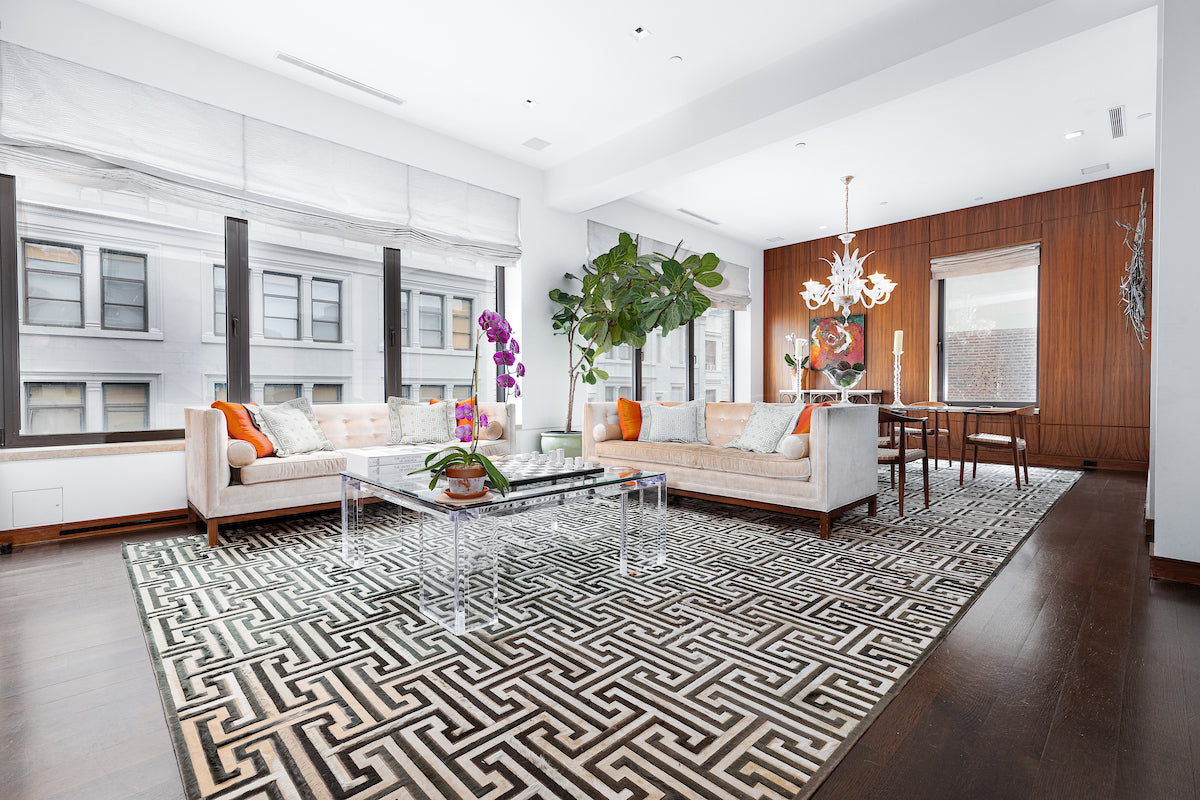
Most listings don’t fail because of pricing.
They fail because of presentation.
A buyer scrolls through dozens of homes in minutes. They don’t read first—they react. And that reaction is almost always shaped by your photos.
If the images feel dark, cluttered, distorted, or “off,” the listing is skipped—sometimes permanently.
Here’s the uncomfortable truth:
👉 Even a great property can look forgettable with poor photography.
👉 And an average property can feel irresistible with the right visuals.
Let’s break down the 10 most damaging real estate photography mistakes—and how modern tools (including AI) can help fix them without losing authenticity.
1. Letting Light Work Against You
Lighting is everything. Yet it’s the most overlooked detail.
Rooms that are too dark feel smaller. Overexposed windows look harsh and cheap. Mixed lighting (yellow + white) creates an unpolished feel.
What to do instead:
Work with natural light, not against it. Shoot during the day, open curtains, and balance interior lights with daylight.
Where AI helps:
AI-powered exposure balancing can recover details from shadows and highlights—but it works best when the original shot is already decent.
2. Treating a Phone Like a Professional Camera
Smartphones are powerful—but real estate photography demands more control.
Flat images, limited dynamic range, and lack of depth can make even premium spaces feel underwhelming.
What to do instead:
Use a proper camera setup with a wide-angle lens and tripod for stability and clarity.
Where AI helps:
AI can enhance sharpness and resolution, but it can’t fully recreate the depth and realism of a well-shot image.
3. Crooked Walls, Warped Rooms
Buyers may not know photography—but they feel when something is off.
Leaning walls and stretched corners make spaces look unnatural and even uncomfortable.
What to do instead:
Keep vertical lines straight and shoot at a consistent height. Symmetry builds trust—even subconsciously.
Where AI helps:
Modern editing tools can auto-correct perspective in seconds, saving hours of manual work.
4. Showing a Home Instead of Presenting It
There’s a difference between documenting a space and selling it.
Clutter—whether it’s cables, personal items, or too much furniture—creates visual noise. Buyers stop imagining their life there.
What to do instead:
Declutter aggressively. Keep it minimal, neutral, and clean.
Where AI helps:
Virtual staging can transform empty or messy rooms into clean, styled spaces—but subtlety is key.
5. Editing Until It Looks Fake
Over-editing is one of the fastest ways to lose trust.
Bright neon greens, glowing walls, and overly dramatic skies might grab attention—but they also create doubt.
Buyers don’t want perfection. They want accuracy with appeal.
What to do instead:
Edit to enhance, not to impress. Keep colors realistic and consistent.
Where AI can go wrong:
Over-automated edits can push images into “too perfect” territory. Always review before publishing.
6. Inconsistent Image Quality
Imagine clicking through a listing where one photo looks premium—and the next looks like an afterthought.
That inconsistency breaks the experience.
What to do instead:
Maintain the same lighting style, tone, and editing across all images. Think of your listing as a visual story, not a random gallery.
Where AI helps:
Batch editing tools powered by AI can apply consistent adjustments across dozens of images instantly.
7. Ignoring Composition
Composition is what separates “just a photo” from a compelling image.
If a room looks cramped or awkward in the frame, buyers assume it is cramped or awkward.
What to do instead:
Shoot from corners, use leading lines, and give each room breathing space in the frame.
Where AI helps:
Some tools now suggest better crops or framing—but the initial shot still matters most.
8. Uploading Low-Quality Images
Blurry or pixelated images instantly lower perceived value.
It doesn’t matter how beautiful the property is—low-quality visuals make it feel cheap.
What to do instead:
Export high-resolution images optimized for web platforms without over-compressing them.
Where AI helps:
AI upscaling can sharpen images, but it’s not a substitute for high-quality originals.
9. Overloading (or Underloading) the Gallery
Too many photos overwhelm buyers. Too few leave them confused.
Both lead to hesitation—and hesitation kills conversions.
What to do instead:
Curate your gallery. Focus on the most important spaces and present them in a logical flow.
Where AI helps:
AI can analyze engagement patterns to identify which images are most likely to perform well.
10. Using AI Without Strategy
AI is transforming real estate photography—but it’s also creating a new problem: over-manipulated listings.
Perfect skies, flawless lawns, and digitally altered spaces may look impressive—but if they don’t match reality, buyers feel misled.
What to do instead:
Use AI as a tool, not a shortcut. Enhance clarity, balance, and presentation—but keep the property honest.
The Bigger Picture: You’re Not Selling a Property—You’re Selling a Feeling
Buyers don’t fall in love with square footage.
They fall in love with how a space makes them feel.
- Bright images feel welcoming
- Clean spaces feel bigger
- Natural colors feel trustworthy
- Balanced composition feels calm
And the opposite? It quietly pushes people away.
That’s why great real estate photography isn’t about expensive gear or heavy editing.
It’s about clarity, intention, and emotional connection.
Final Takeaway
If your listings aren’t getting clicks, showings, or offers, don’t just revisit pricing—
👉 Revisit your visuals.
Because in today’s digital-first market,
your photos aren’t supporting your listing… they are your listing.
Frequently Asked Questions
What services do you offer?
We offer professional real estate photography services including interior and exterior photography, aerial/drone photography, virtual tours, and twilight photography.
How do I book a session?
You can book a session by contacting us through our website or by phone. We recommend booking at least 48 hours in advance to secure your preferred time slot.
How long does a typical shoot take?
A standard real estate photography session typically takes 1–2 hours depending on the size of the property and the services requested.
When will I receive my photos?
Edited photos are typically delivered within 24–48 hours after the shoot via an online gallery.
What should I do to prepare the property?
We recommend decluttering, cleaning all surfaces, turning on all lights, and staging key areas like the living room and kitchen before the shoot.
Do you offer virtual tours?
Yes, we offer Matterport 3D virtual tours that allow potential buyers to explore the property online from anywhere.
What areas do you serve?
We serve clients across the USA. Please contact us to confirm availability in your specific area.
What is your cancellation policy?
Cancellations made at least 24 hours before the scheduled shoot are fully refunded. Late cancellations may be subject to a fee.


Leave a comment
This site is protected by hCaptcha and the hCaptcha Privacy Policy and Terms of Service apply.